
How Racism Hurts White People
Published on the Peace & Justice Center website, October 15, 2019
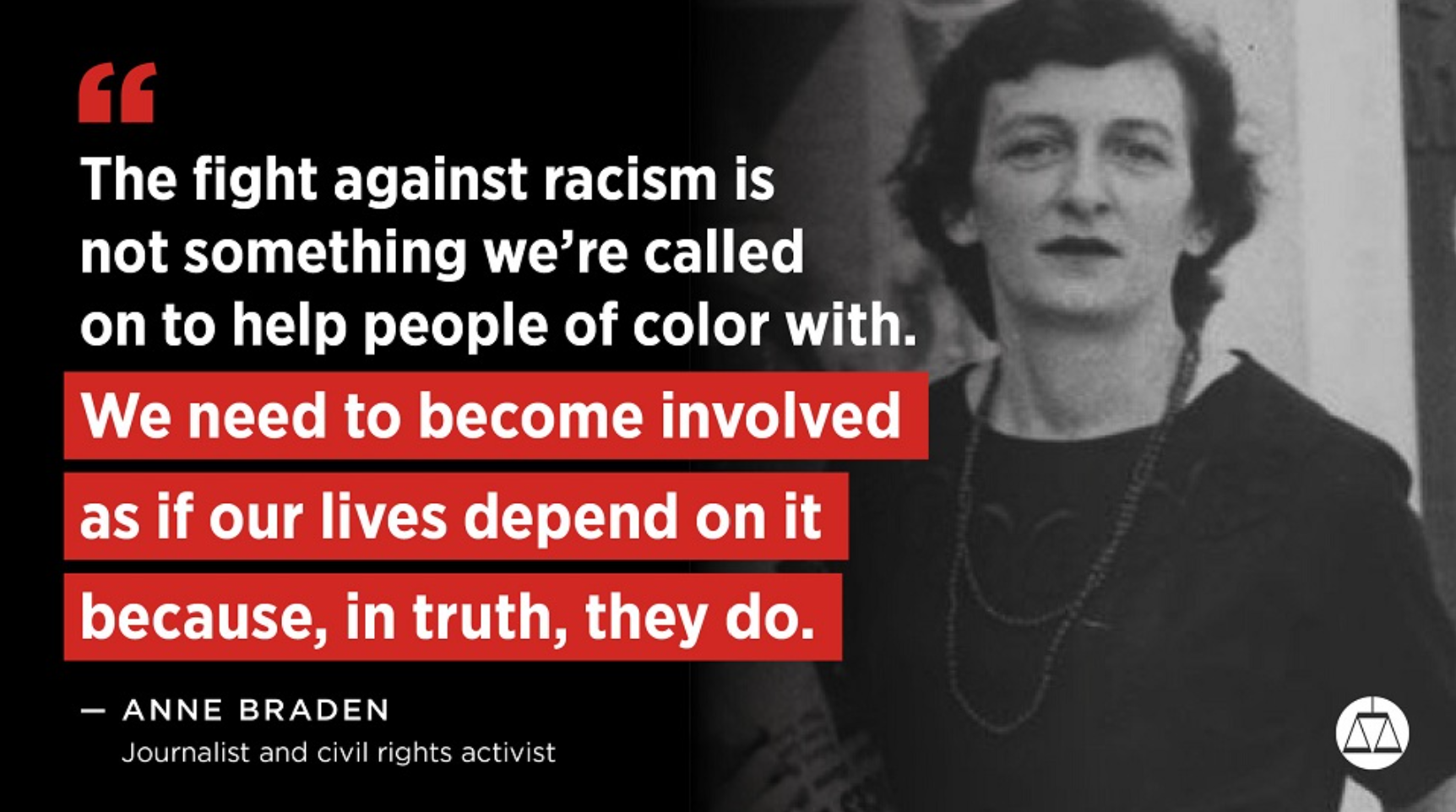
I must be very clear: racism does not harm white people the same way it harms people of color. People of color die every day from racism. The harm it does to us, white people, is subtler. It corrupts and limits us. It is a poison that, if unchecked, flourishes in us. It is meaningful to understand how racism benefits white people, and t is also meaningful to unpack how it hurts us.
Racism hurts me culturally, emotionally, spiritually, and relationally. It gets in the way of having easy, authentic relationships. It leaves me feeling guilty and full of shame. It ruins me emotionally and fills me with rage and despair.
Because of racism, untold numbers of people might have created beautiful art, made significant scientific discoveries, and so much more had they not been oppressed and struggling for survival. Maybe we would have cured cancer.
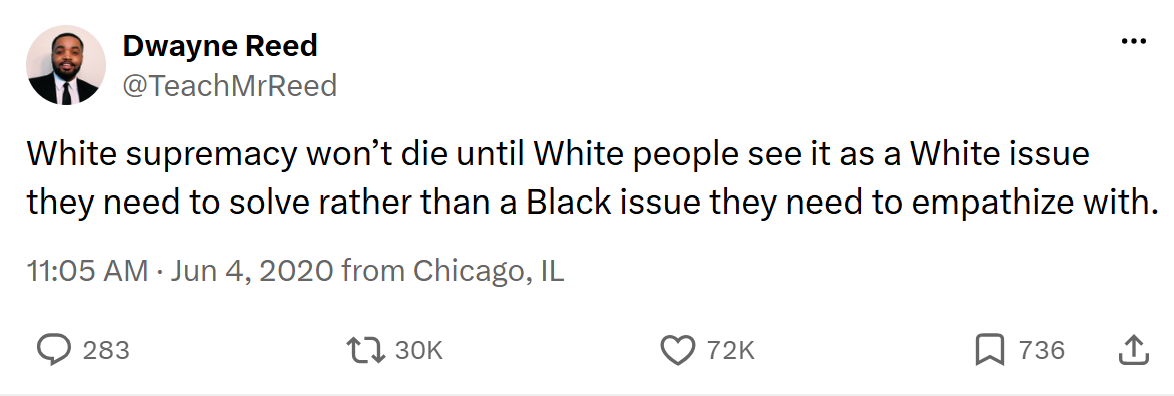
We have internalized false ideas of fear that control our minds when we encounter certain people. We are unable to control the stereotypes that have infiltrated our brains. We are more likely to assume safety with others who may in fact not be safe.
Sexism, classism, and all sorts of other forms of oppression benefit from racism. Any of us white people who live with any oppressed identity group are being harmed by racism in an indirect way. That is to say, classism is upheld and strengthened by racism. Racism, and all oppressions, in the end, benefit one demographic above all else – wealthy, white, straight males, born in the US, and able bodies – and the rest of us suffer as a result. And if you are, like me, a white Ashkenazi Jew, we are at tremendous risk should White Nationalist’s step up their offense. Jews are, after all, seen as the mastermind behind the elimination of the white race – more dangerous, in their minds, than black and brown people.
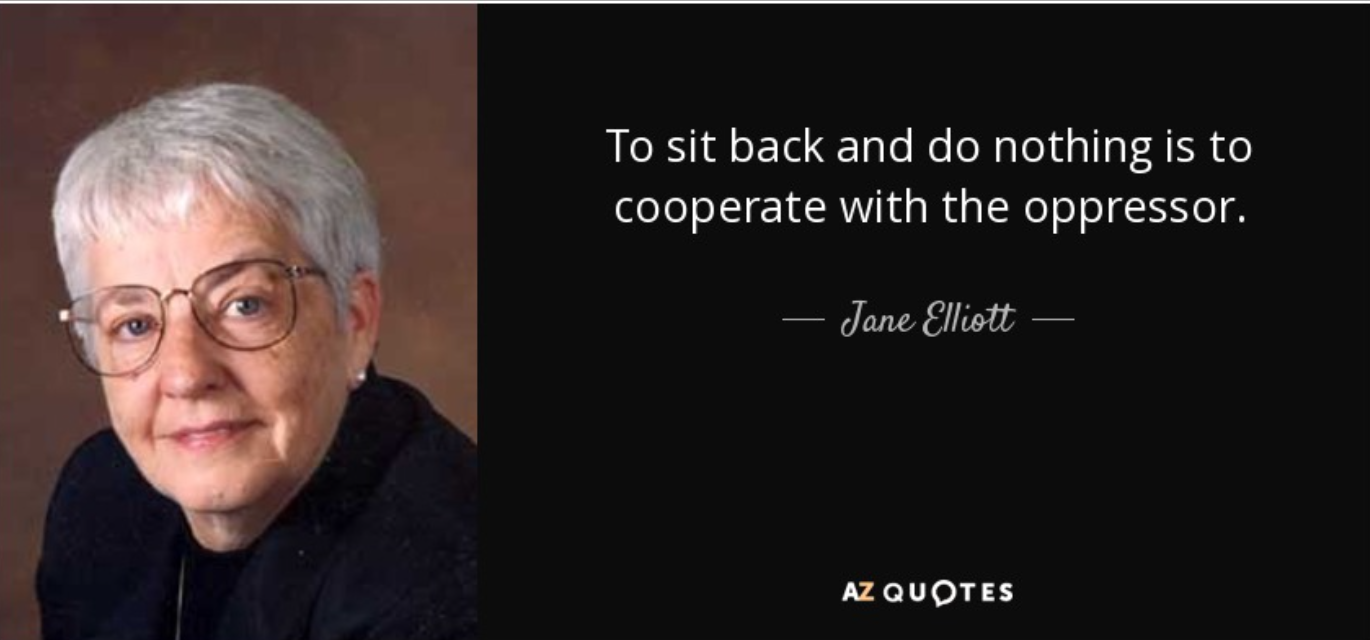
In my whiteness, I have left behind community in a manner inverted to the ways that other racial groups have built it. In our ideas of autonomy and pulling oneself up by our bootstraps, we have limited our ability to truly connect.
Whiteness emphasizes the mind over the body. We mostly feel our bodies when we are trying to get better and compete (sports and fitness) or when we are trying to improve ourselves through diet. My eating disorder is related to my whiteness.
In our whiteness, we leave behind ethnicity to varying degrees. We have lost language, ritual, religion, food, and music. We are then set up to fetishize people who eat “ethnic food” and listen to cool music.
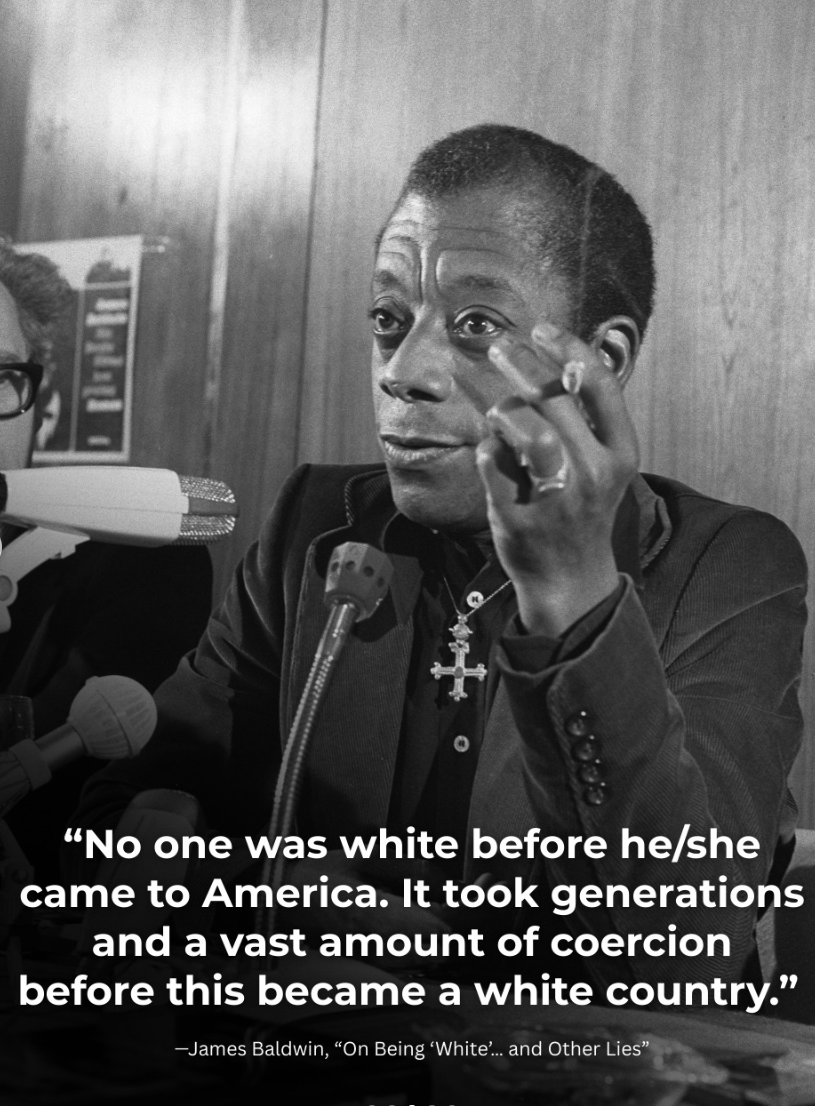
Whiteness is a social construct that was created to give some people power and to marginalize others. Race only exists in order to uphold racism. But that does not mean “color blindness” is the answer. Until racism is eliminated, we need to hold on to the construct of race.
Almost two years ago, the Racial Justice Advisory Committee of the Peace & Justice Center said that we should help white people see how racism harms them/us. The idea was that this might motivate white people to care more deeply and move away from savior syndrome. To that end, we started hosting a monthly, drop-in discussion group on Toxic Whiteness.
It is healing to have a space specifically designed to share our emotions and experiences of racism so that when we are in multiracial spaces, we do not center our emotions. I hope you’ll join us at a Toxic Whiteness discussion group to talk about these things and more. If you are not near Burlington and would like to have us come facilitate in your area, let us know.
Remembering Nathan

Nathan Suter and Morgan Lloyd
It is with great sadness that I am writing to share that Nathan Suter died suddenly on May 13, 2025 from a heart attack.
Back in 2011, Nathan Suter was THE force that brought the Peace & Justice Center back to life—a phoenix from the ashes—according to co-founder and former staff member Wendy Coe.
Following the 2008 recession, over the course of two years, the Peace & Justice Center shrank from a staff of 9 to only 4. The staff and board were questioning whether they should close up shop entirely. They called a public meeting in March, 2011 at Contois Auditorium in Burlington’s City Hall. One hundred community members came. The meeting attendees said overwhelmingly that the PJC still had a role to play and should carry on.
Nathan was among the attendees. He hadn’t been involved in the center’s work but had a life parallel to it with all the same commitments and values. I wasn’t there personally so can only say what other people have told me, which is that without his efforts, they would not have succeeded in re-kindling the organization and carrying on.
For two and a half years, they functioned with no executive director. Nathan, with his current job as ED of the Helen Day Art Center, had fundraising, personnel, finance, and other skills needed to operate a non-profit organization. He joined the PJC board and attended staff meetings for 2-3 hours every week to support the staff and act as a liaison to the board. He did this for two and a half years.
By 2013 they had raised enough money to hire an ED. I applied for the job, was asked to interview, and was surprised when I saw Nathan. We had gone to Haverford College together and while we weren’t friends in college, we had a special connection. Both of us were students in the fine art department. We were both also models. I made dozens of drawings, sculptures, and paintings of Nathan and he of me. There’s probably a metaphor in there. Nathan would know what it is.
I was hired and became very close to Nathan. He very adeptly stayed involved with operations without stepping on toes – a gift in the board-staff relational balance. He was smart, funny, curious, community-minded, and equity-focused. He was an excellent hugger and always had the warmest, most authentic greetings. He worked hard for another 10 years on the PJC board, showing up, initiating things, following up on tasks. He was consistent and trustworthy. We usually agreed on things, but when we didn’t, he was someone willing to engage, with love, in conflict. A rare skill. We had a relationship where we would call each other on our white nonsense and other privileged behaviors.
Having people in my life who hold me accountable for and help me recognize both my internalized superiority as well as internalized marginalization means the world to me. Having had Nathan in my life meant the world to me. It makes no sense to me that he’s gone. I will continue to work toward peace and justice in his honor.
Rest in power, rest in peace. I miss you, Nathan.
Please consider supporting Morgan, Amani, and Asa, Nathan’s family, by contributing to this GoFundMe.